Introduction to Medical Herbalism
Medical Herbalism is a holistic approach to health that uses plant-based remedies to support the body’s natural healing processes. Rooted in traditional wisdom and informed by modern clinical understanding, medical herbalism works with the whole person — addressing physical symptoms while also considering emotional wellbeing, lifestyle and overall vitality.
Rather than focusing solely on illness, herbal medicine aims to restore balance and resilience within the body.
A Personalised, Whole-Person Approach
Each consultation with a Medical Herbalist is highly individual. Time is taken to understand your health history, current symptoms, lifestyle, diet and emotional wellbeing. From this, a bespoke herbal treatment plan is created specifically for you.
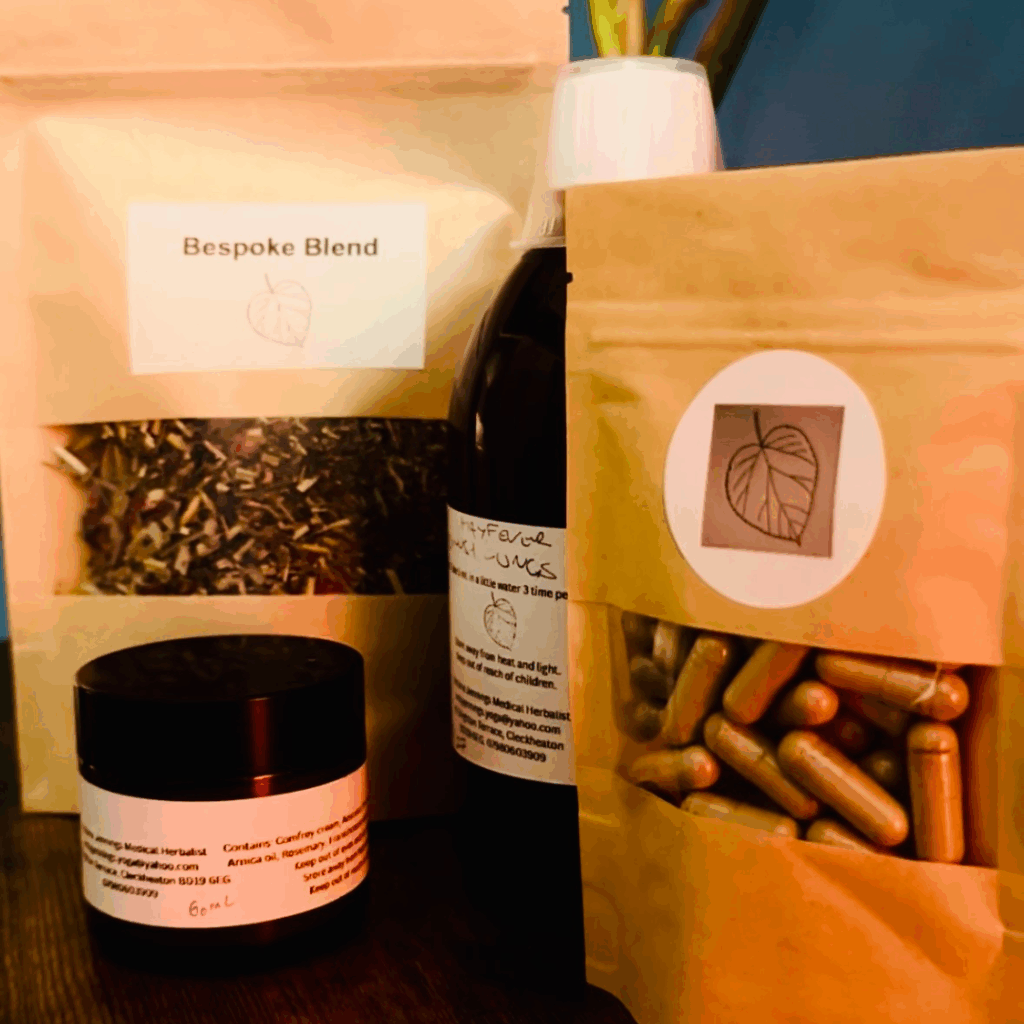
Herbal remedies may be provided in the form of tinctures, teas, capsules or topical preparations, carefully selected to suit your unique needs.
Medical Herbalist Leeds
Who it is for?
Anyone seeking natural, plant-based healthcare
Those managing chronic or recurring conditions
People wanting holistic wellbeing support
Anyone interested in preventative and restorative health
Cost
£90 for 90 mins (initial session)
Therapist
How Medical Herbalism Can Help
Medical Herbalism can support a wide range of acute and chronic conditions, working gently and effectively over time. It is often used to help with:
Digestive health
Hormonal balance
Stress, anxiety and fatigue
Immune system support
Sleep issues
Skin health
Menstrual and menopausal symptoms
General wellbeing and vitality
Herbal medicine can be used on its own or alongside conventional medical care, where appropriate.
Gentle, Natural Support
Herbal remedies work in harmony with the body, supporting natural regulation and healing rather than overriding symptoms. Treatment plans may also include lifestyle or dietary guidance to enhance long-term wellbeing.
As with all holistic therapies, responses are individual — the aim is steady, sustainable improvement rather than quick fixes.